In the fall of 1834, John Tanner sold “two large farms and two thousand and two hundred acres of timber land” around Bolton, his home on Lake George in northern New York. He was fifty-six. Two years earlier, he had been baptized in that lake, and now he meant to take his household west to gather with the Saints. He planned to start in the spring.
It was a great deal to leave. John had, as his son Nathan remembered, “a delightful home on the west side of Lake George, one of the finest sheets of water in the world.” Besides the farms, there were sawmills, orchards, and a hotel at Bolton Landing. “None of our means was willed to us,” Nathan said, “but earned by hard work and economy.”
About the middle of December, John “received an impression by dream or vision of the night, that he was needed and must go immediately to the Church in the West.” He told his family, and they began getting ready at once.
His neighbors, “with deep regret at what they considered an insane purpose,” tried their utmost to talk him out of going in the winter. But “he knew the will of God in the present crisis and nothing could deter him from doing it.”
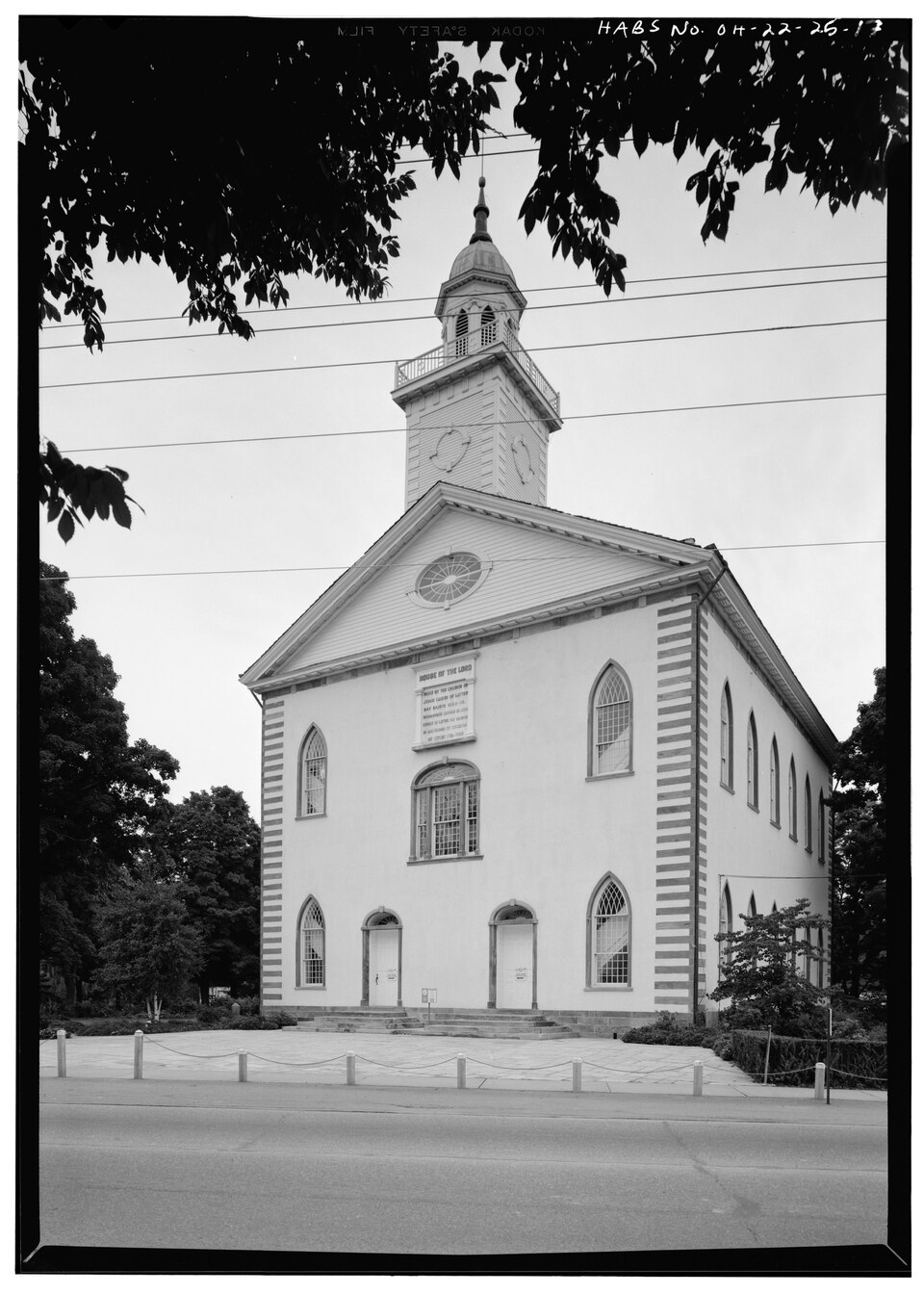
On Christmas Day 1834, they started for Kirtland, in northeastern Ohio, where the Church had its headquarters and the Saints were building their first temple. John’s wife, Elizabeth, who made the trip with him, wrote that he “started with his family bringing his sons and their wives also four neighbors families numbering in all about forty five souls.” They took with them “several good teams a stock of merchandise and considerable money.”
One of those married sons was Sidney, twenty-five, who came with his wife, Louisa. John’s youngest child, Joseph Smith Tanner, was eighteen months old, the first child born after his father joined the Church. Elizabeth, thirty-one, was expecting another baby.
The Tanner wagons rolled out in the dead of winter. The Erie Canal, the usual way west across New York, was frozen and closed until spring, and they had five hundred miles to cover by road. They were nearly four weeks on the way. They reached Kirtland in January 1835, on a Sunday.
They found the Church “in great difficulty for want of money to pay for the farm which the temple was being built on,” Elizabeth wrote. The farm was mortgaged, and the mortgage had come due. Notice had been given that the money must be paid the day after the Tanners arrived.
John learned something else in Kirtland, and his family has told it ever since. At the time his dream came, Joseph Smith and some of the brethren had met in a prayer meeting. They had asked the Lord “to send them a brother or some brethren with means to assist them to lift the mortgage on the farm upon which the temple was being built.”
The day after the Tanners arrived, the very day the money was due, John and Sidney met with the high council at the Prophet’s invitation. There they were told the temple farm was about to be foreclosed. “He immediately loaned two thousand dollars for that purpose,” Elizabeth wrote. John took Joseph Smith’s note for it, and the family remembered that the farm was redeemed with that money.
He did not stop there. One of the three men on the committee overseeing the temple’s building was Jared Carter, the missionary at whose word John had walked again two years before. To that committee, John lent thirteen thousand dollars in goods, priced at what they had cost in New York, “besides donating liberally for the building of the house,” as Elizabeth put it.
Sixty years later, his son Nathan, speaking to the gathered family, put it in his father’s own terms: “My father used to say he enjoyed accumulating property around him, and if it could be spent wisely, it would prove a blessing. If spent otherwise, it would prove a curse.”